March of the Volunteers


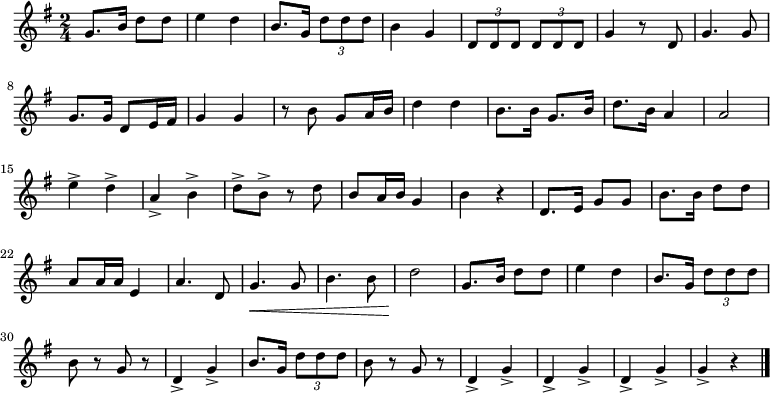
English translation[edit]
| Original | Mao Zedong version (1978–1982) |
|---|---|
Arise, ye who refuse to be slaves! |
March on! Heroes of every nationality! |

 This work is a translation and has a separate copyright status to the applicable copyright protections of the original content.
| Original: |
This work is in the public domain in the U.S. because it is an edict of a government, local or foreign. See § 313.6(C)(2) of the Compendium II: Copyright Office Practices. Such documents include "legislative enactments, judicial decisions, administrative rulings, public ordinances, or similar types of official legal materials" as well as "any translation prepared by a government employee acting within the course of his or her official duties." These do not include works of the Organization of American States, United Nations, or any of the UN specialized agencies. See Compendium III § 313.6(C)(2) and 17 U.S.C. 104(b)(5).
A non-American governmental edict may still be copyrighted outside the U.S. Similar to {{PD-in-USGov}}, the above U.S. Copyright Office Practice does not prevent U.S. states or localities from holding copyright abroad, depending on foreign copyright laws and regulations.
Public domainPublic domainfalsefalse |
|---|---|
| Translation: |
This work is in the public domain because it is exempted by Article 5 of Chinese copyright law. This exempts all Chinese government and judicial documents, and their official translations, from copyright. It also exempts simple factual information, and calendars, numerical tables, and other forms of general use and formulas.
Public domainPublic domainfalsefalse |


